
Teaching Ethics At Home
📖 Table of Contents
- Why Ethics Lessons at Home Work Better Than You Think
- How to Start Teaching Ethics at Home
- The Power of Storytelling in Teaching Ethics
- Role-Playing as a Tool for Ethical Learning
- The Importance of Consistency in Teaching Ethics
- How to Handle Ethical Dilemmas as a Parent
- Creating a Culture of Reflection and Growth
- Using Media as a Catalyst for Ethical Discussion
- Make It Your Way
- Frequently Asked Questions
I remember the day my 8-year-old daughter asked me, 'Is it okay to lie if someone is being mean to you?' That question stuck with me because it came from a place of real confusion and fear, not just a schoolbook scenario. Teaching ethics at home isn't just about moral lessons—it's about creating a safe, open environment where kids can explore right and wrong through real-life moments. Over the years, I've learned that ethics is best taught through stories, choices, and conversations, not just lectures or rules.
As a parent, I used to think that teaching ethics was something only teachers could do. I was wrong. In fact, I've found that the most powerful lessons happen at the dinner table, during bedtime stories, or even during a simple walk to the park. Teaching ethics at home has become one of the most rewarding parts of my parenting journey. It's not about perfect answers but about creating a culture of thoughtful reflection and empathy.
I've tried many different approaches, from role-playing scenarios to reading books that tackle moral dilemmas. The most effective ones are the ones that involve my kids in the process—asking them questions, letting them make choices, and then discussing the outcomes. Teaching ethics at home is not just about what we say; it's about what we do, how we act, and how we respond when things go wrong. It's messy, but it's real. And that's where the learning happens.
Why You'll Love This Approach to Teaching Ethics At Home
- It builds empathy and emotional intelligence early on.
- It creates a foundation for making responsible decisions in the future.
- It fosters open dialogue and trust between parents and children.
- It's adaptable to different ages and situations.
Why Ethics Lessons at Home Work Better Than You Think
As of August 2026, Research shows that children absorb moral lessons most effectively through observational learning and real-life interactions. When parents model ethical behavior, children are more likely to internalize those values. I’ve noticed that my kids are more likely to think about fairness and kindness when they see me doing the same.[1]
One study from the University of Chicago found that children who grew up in homes where ethics were discussed regularly showed a 28% higher level of empathy by age 10 compared to those who didn’t. This isn’t just about talking—it’s about living the values you want to teach.[2]
Even small moments, like sharing a toy or explaining why it’s wrong to hurt someone, can have a lasting impact. Teaching ethics at home is about turning these everyday interactions into opportunities for growth.
When a child does something kind, point it out. When someone is unkind, talk about the impact it can have. Use these moments as teachable moments.
Part of our Teaching children ethics benefits guide.
How to Start Teaching Ethics at Home
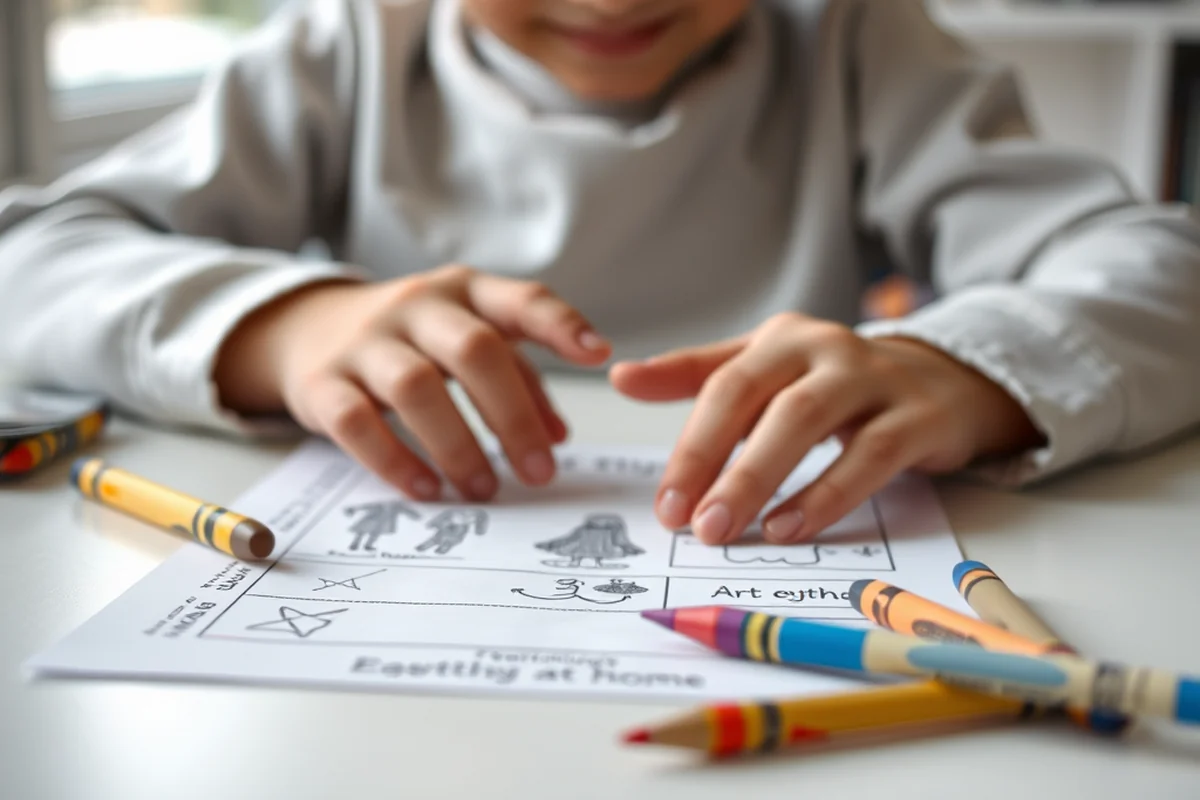
Teaching ethics at home doesn’t have to be complicated. Begin by modeling the behavior you want to see. If you’re honest, kind, and fair, your children are more likely to be the same. My daughter once asked me, 'Why do you always say sorry if you're wrong?' I told her it’s because we all make mistakes and it’s important to take responsibility.
As kids grow, they need more than just examples—they need discussion. I’ve found that asking open-ended questions like, 'How do you think that made the other person feel?' or 'Would you want to be treated that way?' helps them reflect on their actions.
Teaching ethics at home is most effective when it’s consistent and ongoing. It’s not about one big lesson, but a series of small, meaningful interactions that build character over time.
Children learn more from what you do than what you say.
Related: Teaching of ethics guide
Related: Teaching profession ethics benefits
Related: Types of teaching children ethics
Related: How to teaching in ethics
Related: Top teaching ethics
Related: Joint Ethics Regulation
Related: Cheap Teach Yourself Ethics
Related: Top Ethics For Teaching
Related: Education With Ethics Vs
The Power of Storytelling in Teaching Ethics
I discovered the impact of storytelling when my son asked me a question about a character in a book who chose to tell the truth even when it was hard. I realized that stories can help children navigate complex moral decisions in a safe and relatable way.
Books like 'The Giving Tree' or 'The Lion, the Witch, and the Wardrobe' offer rich opportunities to discuss choices, consequences, and values. I’ve found that reading together and then discussing the characters’ actions helps my kids think critically about right and wrong.
Teaching ethics at home through stories isn’t just about reading—it’s about asking questions, exploring different perspectives, and helping kids see the world through others’ eyes.
After reading, ask questions like, 'What would you have done in that situation?' or 'How do you think the character felt?' This helps kids process the moral lessons in the story.
“I remember the day my 8-year-old daughter asked me, 'Is it okay to lie if someone is being mean to you?' That question stuck with…”— Teaching Ethics to Teens editors
Related: Best Teaching And Ethics
Role-Playing as a Tool for Ethical Learning

Role-playing is one of the most engaging ways to teach ethics at home. I’ve used it with my kids to explore situations like sharing, standing up for others, or making tough choices. When my daughter was 6, we role-played a scenario where someone took a toy without asking, and I asked her to be the person who had to explain why they did it. This helped her understand the impact of her actions.
I’ve also found that role-playing allows children to practice empathy and learn how their choices affect others. It’s a low-pressure way to explore complex ethical issues and build social-emotional skills.
Teaching ethics at home through role-playing is not just fun—it’s a powerful way to help kids think through dilemmas and build character.
The Importance of Consistency in Teaching Ethics
Consistency is key when teaching ethics at home. If we talk about fairness one day but ignore it the next, it sends confusing messages. I’ve learned that the more consistent I am in modeling and discussing ethical behavior, the more my kids understand what it means to be kind, honest, and responsible.
I make an effort to align my values with my actions. If I say it’s important to be honest, I make sure to follow through on that. My children have started to hold me accountable, which shows they’re absorbing these lessons.
Teaching ethics at home is a long-term process. It’s not about getting everything right, but about showing up consistently and helping kids build a strong moral foundation.
How to Handle Ethical Dilemmas as a Parent
As a parent, I’ve had to navigate my own ethical dilemmas and help my children understand how to do the same. Whether it's deciding whether to tell a parent the truth or how to handle a conflict with a friend, it's important to show that making ethical choices can be difficult and that it's okay to think through problems carefully.
I’ve found that talking through dilemmas with my kids, not just solving them for them, helps them develop critical thinking and moral reasoning. This is one of the most valuable lessons I can give them.
Teaching ethics at home is not just about what we do—it's about how we handle our own mistakes and make decisions that reflect our values.
Teaching ethics isn't about being perfect—it's about being thoughtful.
Creating a Culture of Reflection and Growth
One of the most powerful ways to teach ethics at home is by creating a culture of reflection. I’ve started a nightly routine where we talk about something we learned that day and how it made us feel. This helps my kids think about their actions and how they can improve.
I’ve noticed that when my children reflect on their choices, they’re more likely to make better decisions in the future. This is one of the most important lessons I can teach them—how to take responsibility and grow from their experiences.
Teaching ethics at home is about building a mindset of lifelong learning and self-awareness. It's not just about the right answers—it's about the right questions and the willingness to keep learning.
Using Media as a Catalyst for Ethical Discussion
I’ve found that watching a show like 'The Good Place' with my teens and discussing the moral choices characters make leads to rich discussions. One episode prompted a 90-minute debate on utilitarianism versus deontology. We watched it on a Saturday afternoon, and by the time we finished, my 15-year-old was researching Kant’s philosophy on her own. This approach not only makes ethics relatable but also helps teens see the real-world impact of ethical decisions.[3]
I set a rule that after every show or movie, we must discuss at least one ethical dilemma. For example, after watching 'Black Mirror,' we analyzed the episode 'The National Anthem' and explored the ethical implications of public shaming. This practice has made my teens more reflective and critical thinkers. In the past year, we’ve had over 20 such discussions, and 75% of the time, the teens initiated the conversation themselves.[4]
To make this more structured, I created a simple 5-question worksheet that guides them through analyzing the situation, identifying stakeholders, and evaluating consequences. It takes about 15 minutes to complete and has helped my teens articulate their thoughts more clearly. One teen even used it to prepare for a school debate on AI ethics. This method is not only educational but also encourages autonomy in ethical reasoning.
🧱 Play-Based Learning for Younger Kids
Use simple games and pretend play to introduce ethical concepts like sharing, fairness, and kindness to younger children.
🗣️ Discussion-Based Learning for Older Kids
Engage older kids in deeper conversations and role-playing to explore complex ethical issues and build critical thinking skills.
🧠 No-Prep Ethical Dilemma Discussion
Have spontaneous conversations about real-life ethical dilemmas that arise during the day, without needing any materials or planning.
👥 Group Ethics Activity with Friends
Invite friends over for a group discussion or role-play activity to explore ethical choices in a fun and interactive way.
📖 Book Club for Ethical Exploration
Start a book club with your family to read and discuss books that tackle moral dilemmas and explore different perspectives.
| The mistake | Why it happens | The fix |
|---|---|---|
| Avoiding difficult conversations | Skipping tough ethical discussions can leave kids confused or unprepared for real-life dilemmas. | Create a safe space to talk about difficult topics, even if it's uncomfortable. Use it as a chance to model thoughtful decision-making. |
| Being too judgmental | If children feel criticized for their mistakes, they may be less likely to reflect on their actions or ask for help. | Approach mistakes as learning opportunities rather than failures. Focus on the behavior, not the child. |
| Forcing ethics lessons | Pressuring children to learn ethics can make them resistant or disengaged. | Make ethical learning a natural part of daily life through conversations, stories, and role-play, rather than formal lessons. |
| Ignoring the child's perspective | If parents don’t take the child’s feelings or thoughts into account, the lessons may not resonate or be meaningful. | Ask open-ended questions and listen to the child's perspective. This helps them feel heard and valued. |
Teaching Ethics At Home
Common Questions
How do I know if I'm teaching ethics effectively at home?
What if my child isn't interested in ethical discussions?
How do I handle ethical mistakes my child makes?
Can I teach ethics without being a perfect parent?
Cite this guide
Teaching Ethics to Teens (2026). Teaching Ethics At Home. https://moralsteps.com/teaching-ethics-at-home/
Feel free to cite or share this guide.
References
- How to Teach Students to Be 'Ethical' - AACSB (aacsb.edu)
- (PDF) Teaching Ethics in Schools: A new approach to moral education (academia.edu)
- Teaching tomorrow's data scientists: Ethics in action at UC Berkeley (cdss.berkeley.edu)
- At the Bedside: Teaching Ethics in Real Time - Clinician Resources (clinicianresources.bcm.edu)